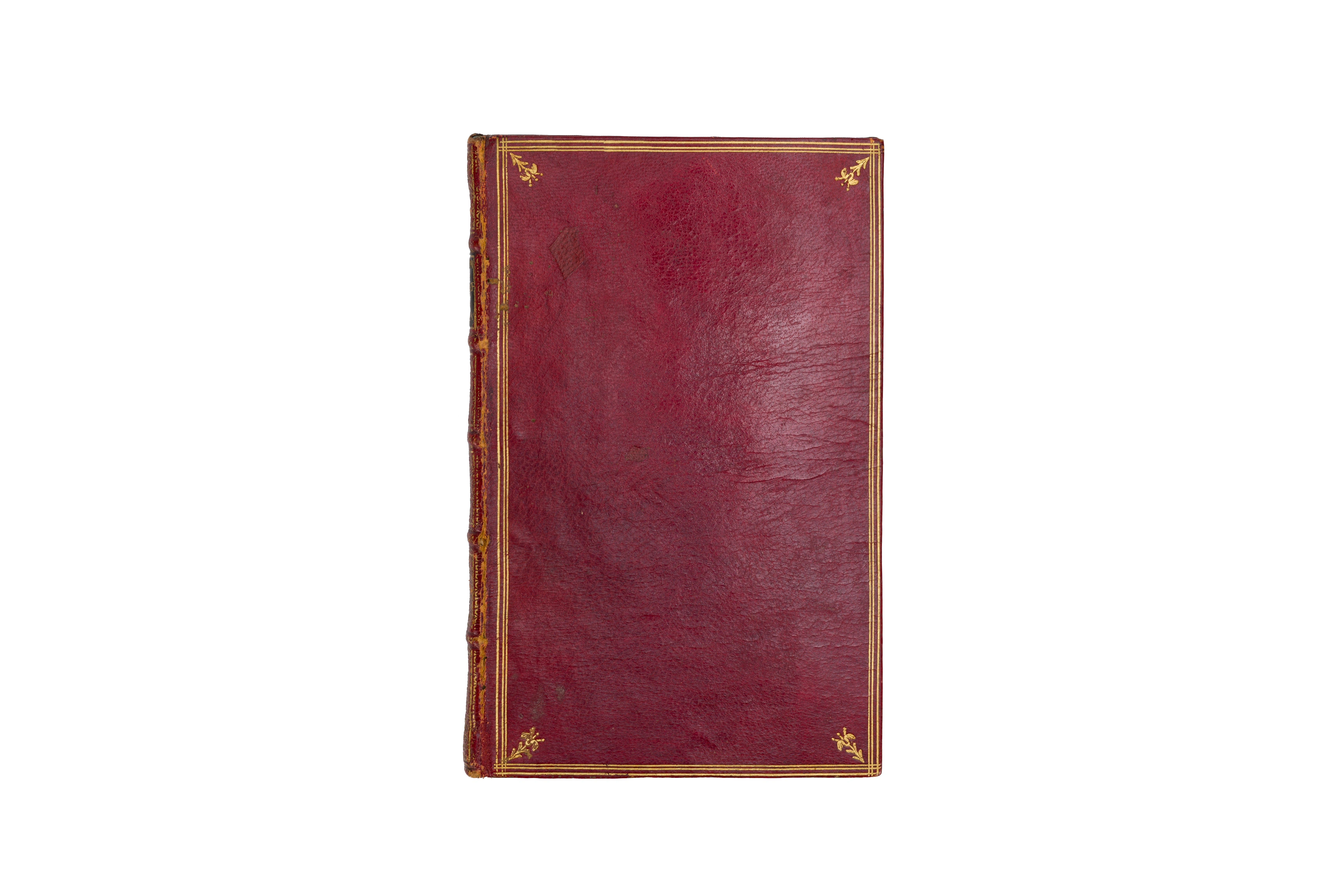
“The life of the Great Timur”
Petro Perondino. 1553. Florence. Latin. Paper; printed edition. 15.9 × 10.2 cm. WOSCU collection
Audio guide
Audio available in: RU
Description
This book is one of the earliest European publications devoted to Amir Timur, printed in Florence in 1553 under the title “The Life of the Great Tamerlane.”
Written by Pietro Perondino, it reflects how Renaissance Europe perceived a ruler from Central Asia. Timur is presented not only as a conqueror, but as a historical force shaping the fate of entire regions.
Particular emphasis is placed on his victory over the Ottoman Sultan Bayezid I at the Battle of Ankara in 1402. For 16th-century European authors, this event was seen as a turning point that temporarily halted Ottoman expansion into Europe. In this context, Timur was sometimes interpreted as an indirect defender of the Christian world.
The text is written in Latin – the language of scholarship, diplomacy, and intellectual exchange. Its audience consisted of educated elites, for whom Timur’s history served both as narrative and as a source of political and military insight.
The binding is also significant: a finely crafted leather cover with gold tooling, typical of Florentine bookmaking traditions. Its compact format made it suitable for personal reading and circulation among scholars.
The title refers to Timur as “Emperor of the Scythians,” reflecting the limited geographical knowledge of the time. European scholars used classical terminology to interpret unfamiliar regions.
This artifact illustrates how, by the 16th century, Timur’s history had entered the European intellectual sphere, transforming into a subject of global historical reflection.