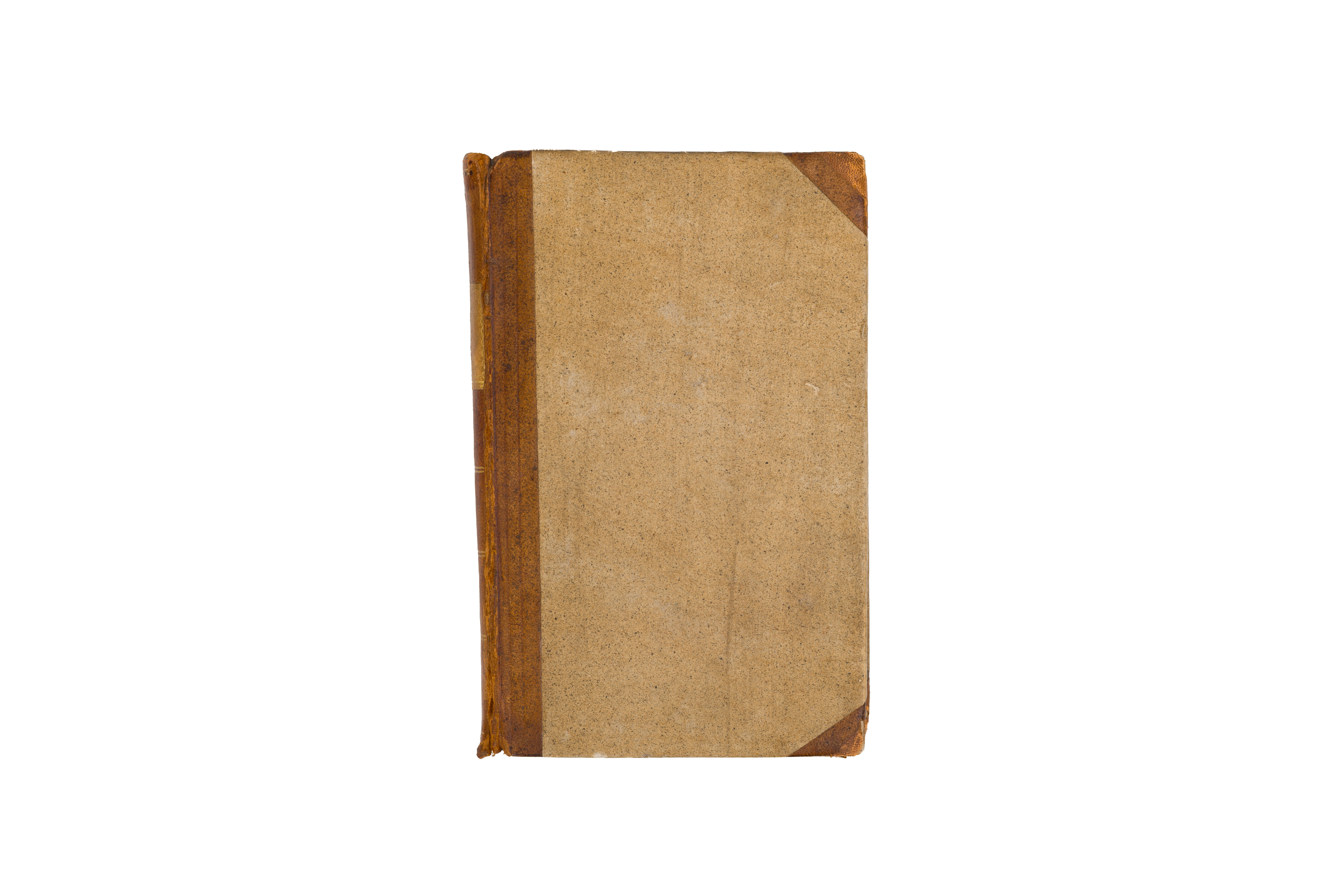
“Instituts de Tamerlan”
Amir Timur. Translation: Louis Langlès. 1783. Great Britain. French. Paper; printed edition. 20 × 12.5 cm. WOSCU collection
Audio guide
Audio available in: UZ
Description
This book represents one of the most important European interpretations of Amir Timur, portraying him not as a conqueror, but as a statesman and lawgiver – the “Institutes of Timur,” published in France in the late 18th century.
Unlike narrative chronicles, this work is a structured set of principles for governing a state and army. Timur appears here as a political thinker, advocating discipline, justice, and hierarchical order. His system combined Islamic law – Sharia – with steppe traditions known as yasa.
The translation was prepared by Louis Langlès, a prominent orientalist and curator of Eastern manuscripts at the French National Library. He supplemented the text with extensive commentary, aiming to make Central Asian political culture accessible to European readers.
The frontispiece is particularly noteworthy. The image of Timur is described as based on “Indian painting,” indicating reliance on Mughal miniature traditions – the artistic legacy of Timur’s descendants in India. The Persian inscription “Surat-i Timur” enhances the sense of authenticity.
During the Enlightenment, this work gained special significance. European intellectuals regarded it as an example of rational governance. Timur was reinterpreted as a ruler whose authority was grounded in justice and order.
This artifact reflects a broader shift in European perception: from viewing Central Asia as an exotic frontier to recognizing it as a center of sophisticated political thought.