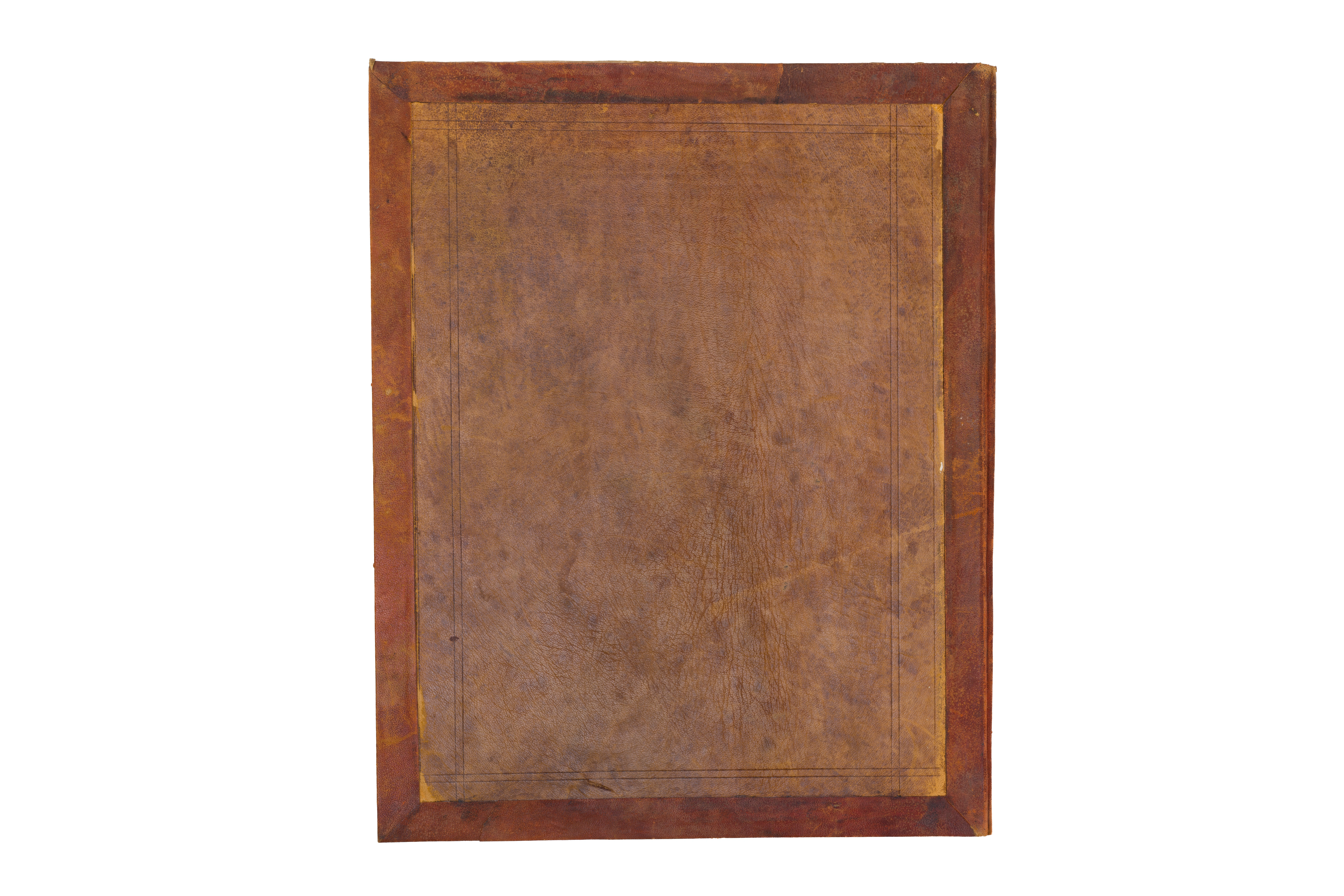
The Qur’an of the Seljuks
Naskh script. Between the 12th–13th centuries CE. 33 × 26,8 cm. 50 folios. From the collection of the Center of Islamic Civilization in Uzbekistan
Audio guide
Description
This is a Seljuk Qur’an manuscript dated to the 12th–13th centuries. This is not an isolated folio but a complete codex reflecting the mature stage of Islamic manuscript culture.
The manuscript is written in naskh script. During this period, naskh became firmly established as the principal book hand for copying the Qur’an. Its rounded forms, carefully regulated proportions, and developed system of vocalization ensure clarity of reading and compositional balance on the page.
The codex comprises 50 folios. The use of high-quality paper indicates the wide adoption of paper production in the Seljuk period and the gradual replacement of parchment in manuscript practice.
The decorative program includes gilded medallions and geometric and vegetal ornament. These elements structure the spatial organization of the page and emphasize the sacred character of the text. Ornament thus fulfills both aesthetic and compositional functions.
Within the context of the First Renaissance, this Seljuk Qur’an demonstrates the convergence of theological tradition, technological development, and artistic culture in a unified manuscript work.