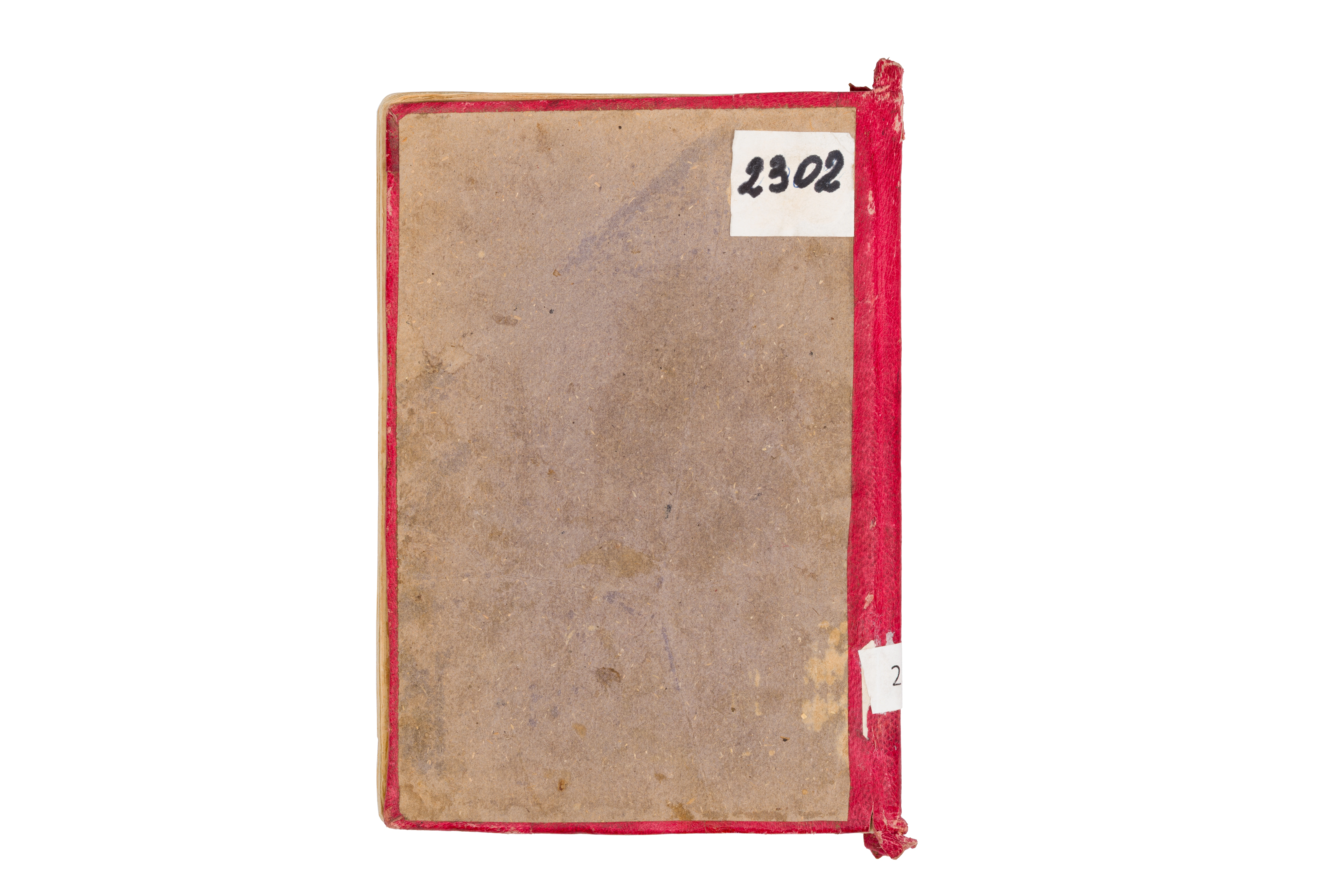
Documents of Shahrukh Mirza Period
Copied in the 15th–16th centuries. Central Asia. Persian.Naskh and Nastaliq scripts. Oriental paper. 16 × 22.5 cm. Manuscript of the Institute of Oriental Studies, Academy of Sciences of Uzbekistan
Audio guide
Audio available in: UZ
Description
These manuscripts represent administrative documents from the period of Shahrukh Mirza, one of the rulers of the Timurid Empire in the fifteenth century.
Unlike formal historical chronicles, such texts belong to practical written culture. They record the everyday functioning of governance: orders, correspondence, accounting, and legal formulations.
These materials are crucial for reconstructing the administrative system of the Timurids. Under Shahrukh, cities such as Samarkand and Herat developed not only as cultural centers but also as hubs of bureaucratic organization based on written documentation.
Particularly notable are the marginal notes. These annotations, known as hashiya, were often added later and reflect how the text was read, interpreted, and applied. As a result, the manuscript represents a layered historical source documenting its own usage over time.
From a calligraphic perspective, the manuscript combines two scripts: naskh and nastaliq. Naskh is more structured and typically used for formal content, while nastaliq is more fluid and appears in the main text and commentary. Their coexistence reflects functional differentiation within the document.
The manuscript’s restrained appearance suggests its utilitarian purpose. Unlike luxury manuscripts, it was intended for active use in administrative or scholarly contexts, where clarity and precision were essential.
Today, such documents provide rare insight into the practical mechanisms of governance beyond official narratives.